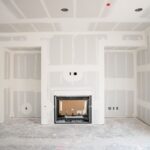







During the winter months, many homeowners begin to notice cracks appearing in their drywall. Some are small and cosmetic, while others can signal underlying issues that should not be ignored. In colder climates and areas with fluctuating temperatures, such as the DMV region, drywall cracks are one of the most common winter-related concerns inside homes.
The key question is: are these cracks normal seasonal movement, or do they indicate a more serious problem? Understanding the difference can help homeowners avoid costly repairs down the line.
Why Drywall Cracks Appear More Often in Winter
Winter conditions create several factors that affect a home’s structure and interior finishes:
- Temperature changes cause building materials to expand and contract
- Lower humidity levels dry out framing, drywall, and joint compound
- Heating systems remove moisture from indoor air
- Natural settling becomes more noticeable during colder months
As wood framing dries and contracts, drywall joints may shift slightly, leading to visible cracks—especially around ceilings, corners, doors, and windows.
When Drywall Cracks Are Usually Normal
Some drywall cracks are common and typically not structural. These include:
- Thin, straight cracks along drywall seams
- Hairline cracks near ceilings or wall corners
- Small cracks that appear seasonally and do not grow
These are often the result of normal material movement and can usually be repaired with proper patching, joint compound, sanding, and repainting. While they may not be dangerous, leaving them unattended can allow moisture intrusion or cause the damage to worsen over time.
When Drywall Cracks May Signal a Bigger Problem
Not all cracks are harmless. Certain warning signs suggest deeper issues that require professional attention:
- Cracks wider than 1/8 inch
- Cracks that grow longer or wider over time
- Diagonal or stair-step cracks
- Cracks accompanied by sagging ceilings
- Cracks near doors or windows that also affect alignment
Signs of moisture, staining, or soft drywall
These conditions may indicate structural movement, water damage, foundation issues, or framing problems. In winter, moisture trapped behind walls can freeze and expand, accelerating damage if repairs are delayed.
Why Ignoring Winter Drywall Cracks Can Be Costly
What starts as a small cosmetic issue can quickly turn into a larger repair. Cracks allow air leaks, moisture penetration, and insulation problems, which reduce energy efficiency and increase heating costs. Over time, unresolved issues can lead to mold growth, deteriorated framing, and more extensive interior repairs.
Addressing drywall damage early helps prevent secondary problems and protects the integrity of the home.
Why Professional Repair Makes the Difference
Proper drywall repair is not just about filling a crack. A professional assessment determines the root cause and ensures the repair will last. This includes:
- Evaluating structural movement or moisture issues
- Reinforcing affected areas if necessary
- Proper taping, finishing, sanding, and sealing
- Preparing surfaces for a smooth, durable paint finish
Temporary or DIY fixes often fail because they do not address the underlying cause, leading to recurring cracks.
Act Before Winter Damage Gets Worse
Winter is not the time to ignore interior damage. Drywall cracks tend to worsen as the season progresses, especially with continued temperature swings and dry indoor air. Scheduling repairs early can prevent higher costs and more invasive work later.
DG Home Improvement LLC provides professional drywall repair and interior restoration services designed to address both visible damage and underlying issues. Serving homeowners throughout the area, the company delivers reliable solutions that protect homes and maintain long-term value.
If cracks are appearing on walls or ceilings this winter, it is time to have them properly evaluated. Delaying repairs only increases the risk of more serious and expensive problems. Contact a professional contractor today to ensure the home remains safe, efficient, and structurally sound.